Sales Surge, Falling Values, and Doubling Foreclosures Reveal Structural Stress in Small Multifamily Sector
WASHINGTON, DC , DC, UNITED STATES, February 24, 2026 /EINPresswire.com/ — The Small Multifamily Owners Association (SMOA) today released the State of DC Rental Housing 2025: Market Outcomes, Owner Experience, and Structural Implications, a comprehensive analysis documenting what occurred inside Washington’s rental housing system during 2024–2025 against the backdrop of more than $1 billion in cumulative rent losses absorbed by DC landlords since 2020.
The findings are clear: D.C. Small landlord foreclosures and forced sales surged after pandemic-era restrictions.
Units remained occupied. Tenants stayed housed. But extended nonpayment, rising operating costs, regulatory compliance pressures, and prolonged enforcement delays destabilized the small housing providers who supply the majority of the city’s naturally affordable housing.
SMOA estimates that small landlords across the District absorbed more than $1 billion in cumulative reported rent losses during the pandemic-era disruption. Those losses were borne privately while mortgages, property taxes, insurance, utilities, and maintenance expenses continued uninterrupted.
At the same time, completed transaction and foreclosure data show:
A 45% increase in sales of 5–50 unit buildings
A 14–15% decline in per-unit values in a single year
A doubling of foreclosure activity in the small multifamily segment
Buildings did not sell because prices were strong. They sold because holding them became financially unsustainable.
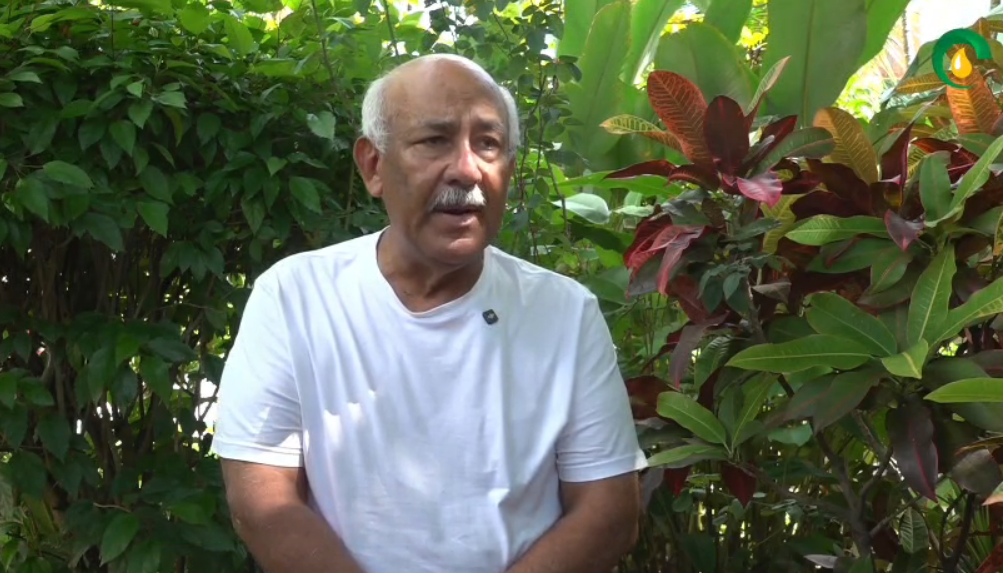
“This wasn’t a normal market cycle. It was sustained pressure — and small housing providers carried it,” said Dean Hunter, Founder and CEO of SMOA. “The government asked small landlords to be the public safety net. They kept families housed and absorbed more than $1 billion in cumulative rent losses. The burden was not shared. Now we are seeing the consequences in forced sales, lost equity, and accelerating exits.”
The report incorporates findings from a survey of more than 750 DC rental housing providers — the largest owner survey conducted in the District in recent years. Eighty-six percent of respondents own ten units or fewer, and nearly three-quarters own four units or fewer. More than two-thirds reported periods when rental income failed to cover operating expenses, and over half deferred maintenance or capital improvements due to cash-flow pressure.
Naturally Occurring Affordable Housing, or NOAH, refers to rental housing that remains affordable without government subsidy. These are typically older buildings, and small apartment walk-ups owned by local operators. Rents remain modest not because of public financing, but because of stable debt structures, thin margins, and long-term ownership. In Washington, DC, NOAH is overwhelmingly provided by small landlords. It is the backbone of the city’s affordable housing supply and also the most vulnerable.
If the District is serious about preserving naturally affordable housing, it must address small landlord stability. A housing system cannot continue shifting public burdens onto private balance sheets without consequences.
The full State of DC Rental Housing 2025 report is available for download at https://multifamilyowners.org
Dean Hunter
Small Multifamily & Rental Owners Association
+1 202-660-1333
email us here
Legal Disclaimer:
EIN Presswire provides this news content “as is” without warranty of any kind. We do not accept any responsibility or liability
for the accuracy, content, images, videos, licenses, completeness, legality, or reliability of the information contained in this
article. If you have any complaints or copyright issues related to this article, kindly contact the author above.